Remodeling in Pasadena? Avoid These Common Window Mistakes
When remodeling a home in Pasadena, windows are one of the most important design and performance decisions you will make. Whether you’re updating a Craftsman home, restoring a Spanish Revival property, or modernizing a traditional residence, the wrong window choices can affect curb appeal, energy efficiency, and even long-term property value.
Pasadena is known for its historic architecture and highly detailed homes, which means window selection should be done with extra care and planning.
Below are the most common window mistakes homeowners make during remodeling projects and how to avoid them.
Choosing the Wrong Window Style for the Architecture
One of the biggest mistakes homeowners make is selecting modern window styles that don’t match the home’s original architecture.
For example:
Ultra minimal black frames on a historic Craftsman home can feel out of place
Overly traditional grids on a modern remodel can feel outdated
Wrong proportions can completely change the exterior balance
Why This Matters?
Windows are a major part of your home’s visual identity. The wrong style can reduce architectural authenticity and curb appeal.
Ignoring Window Color and Exterior Harmony
Window color is often underestimated, but in Pasadena remodeling projects it plays a huge role in design success.
Common mistakes include:
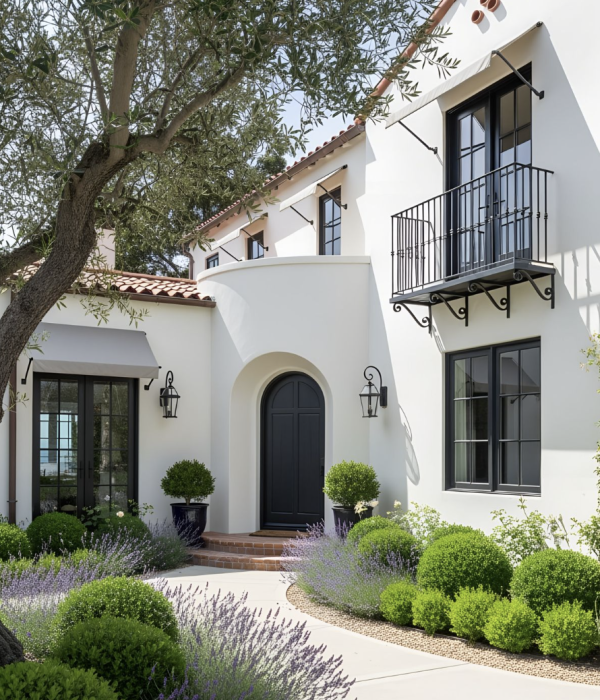
Choosing harsh black frames for softer architectural styles
Ignoring stucco, roof tile, and trim color coordination
Using trendy colors that don’t age well
Better approach:
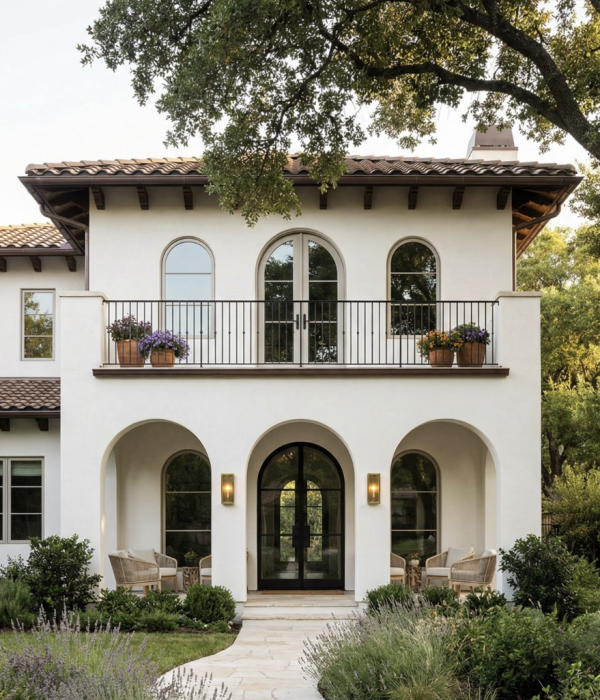
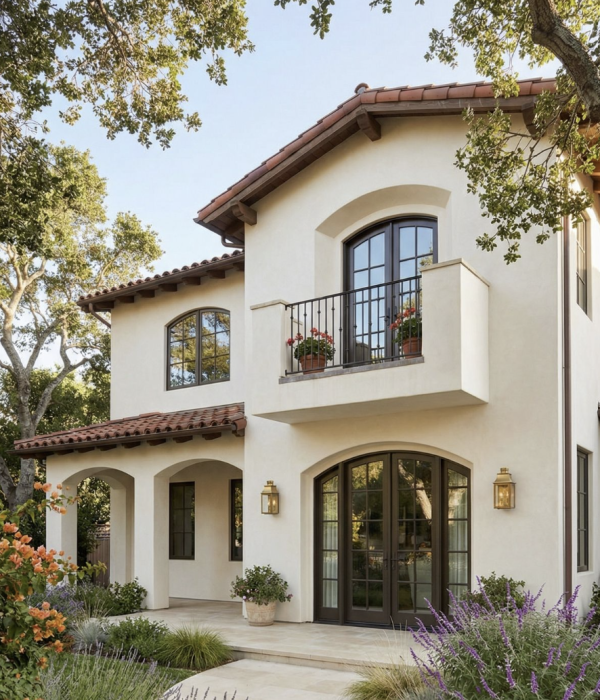
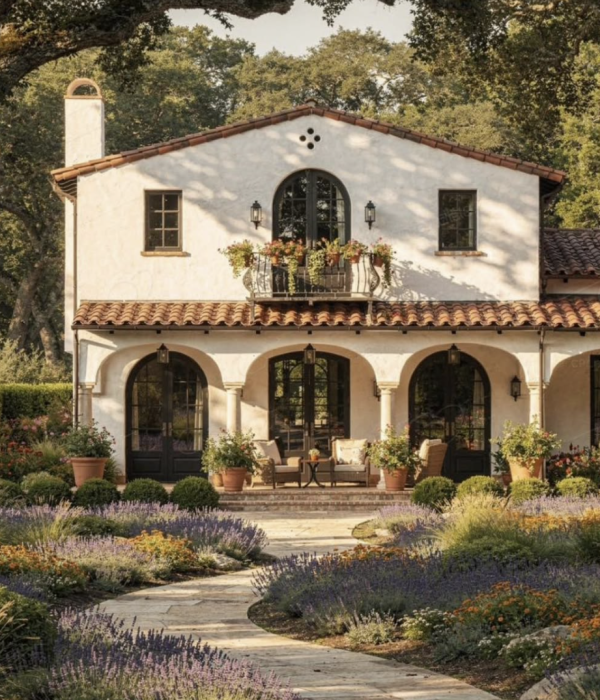
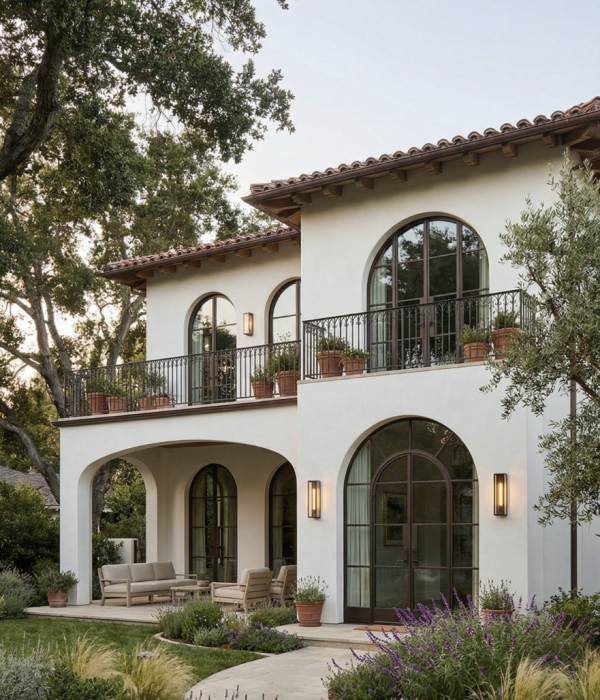
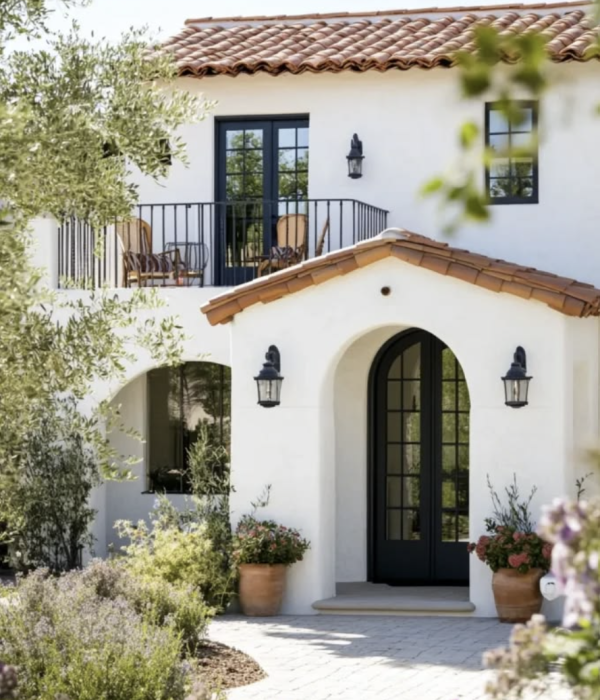
Bronze and black tones for Spanish and Mediterranean homes
Sage green for softer historic character homes
Overusing or Misusing Grid Patterns
Grids can either enhance or destroy the look of a home if not used correctly.
Mistakes include:
Too many grids on modern homes
No grids on homes that require traditional detail
Incorrect grid proportions
Why Grids matter?
They help maintain architectural balance and historical accuracy, especially in Pasadena’s older neighborhoods.
Not Considering Indoor Outdoor Living Design
In Los Angeles County, especially areas like Pasadena, Mar Vista, and Venice, lifestyle design matters.
Homeowners often forget to plan for:
Patio door integration
Large openings for natural light
Seamless indoor-outdoor flow
This is especially important for remodels aiming to modernize older homes.
Best Window Strategy for Pasadena Remodels
A successful remodel balances three key elements:
Architectural style
Material performance
Design consistency
For most Pasadena homes:
Craftsman → wood tones + divided lite grids
Spanish Revival → bronze, brown, sage green + arched designs
Modern remodels → black aluminum + clean lines
FINAL THOUGHTS
Window selection is one of the most important decisions in any Pasadena remodeling project. The right choice enhances architectural beauty, improves energy performance, and increases long-term home value.
At Capri Windows & Doors, we help homeowners, designers, and builders select window systems that match both the architecture and lifestyle of the home from historic restorations to modern luxury remodels across Los Angeles County.
Schedule a Free Consultation
If you’re deciding between bifold doors and sliding patio doors for your Los Angeles home, contact Capri Windows & Doors today to schedule a free consultation and explore your options.
Please complete the following form, so we can learn more about you and your project. Our team will review your request within business hours and will be in contact soon!